Rage Comics were one of the first times internet culture developed something resembling a shared cast of characters.
A screaming face meant rage. A disturbing smile meant satisfaction. A huge smug grin meant trolling. Another character threw his arms outward and demanded to know why the universe refused to cooperate.
These drawings were crude, reusable, and often created with software as simple as MS Paint. Yet for several years, they became a surprisingly effective visual language for everyday life online.
AmazeShirt’s Rage Meme Designs revisit several of those faces, but understanding why they became famous requires going back to 4chan, Reddit, primitive meme generators, and an internet that looked very different from the one we use today.
What Were Rage Comics?
Rage Comics were short webcomics made from recurring cartoon faces, usually arranged into simple panels that told stories about everyday experiences.
The drawings were intentionally crude. Sophisticated illustration was unnecessary because the audience already knew what each face meant.
A creator could tell a story about school, work, relationships, gaming, family, technology, or some tiny daily annoyance. Then the appropriate reaction face delivered the punchline.
The result was almost like an early set of internet emoji, except the characters had names, personalities, and their own meme histories.
Why Were They Called Rage Comics?
The name comes from the character that started the format: Rage Guy.
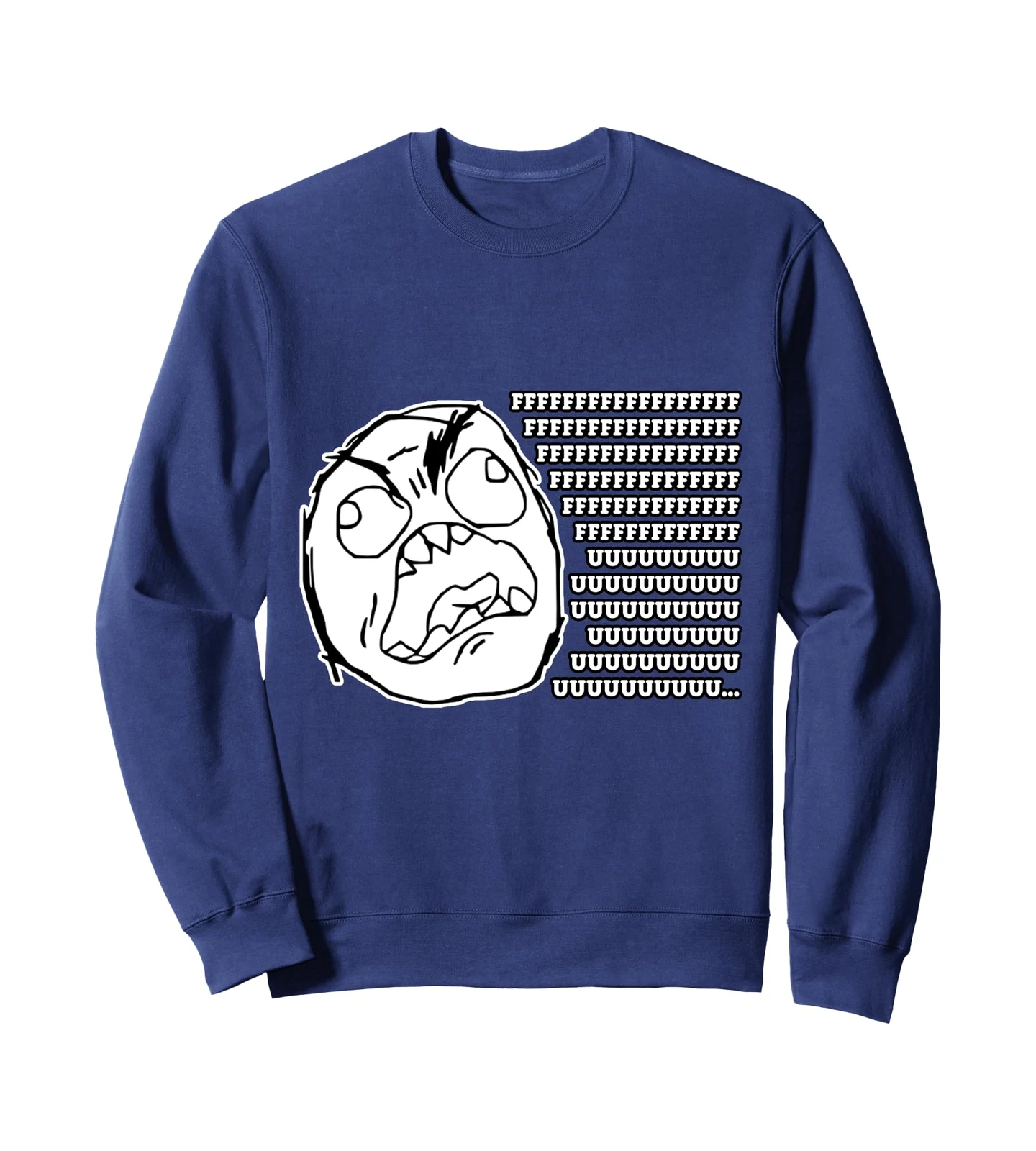
The earliest Rage Comics appeared on 4chan’s `/b/` board in 2008. One famous four-panel comic depicted an extremely minor bathroom frustration followed by a final panel containing a screaming face and an extended FFFFFFFUUUUUUUU—.
Users began creating new versions in which different everyday problems led to the same furious ending.
That screaming character became Rage Guy, and the comics built around him became Rage Comics.
Eventually, most of the characters did not represent rage at all. The original name survived anyway.
Rage Guy: The FFFUUU Face That Started Everything
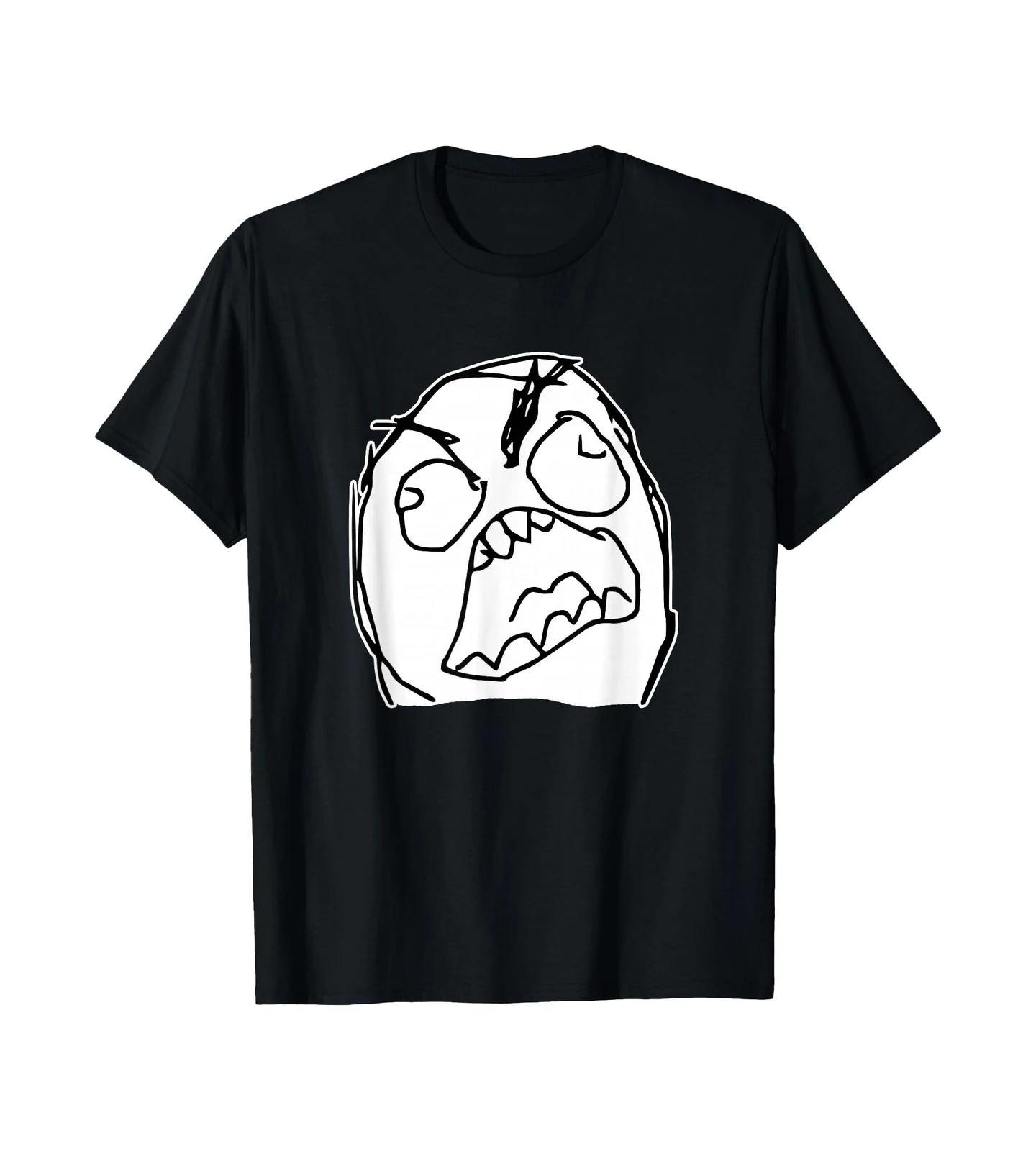
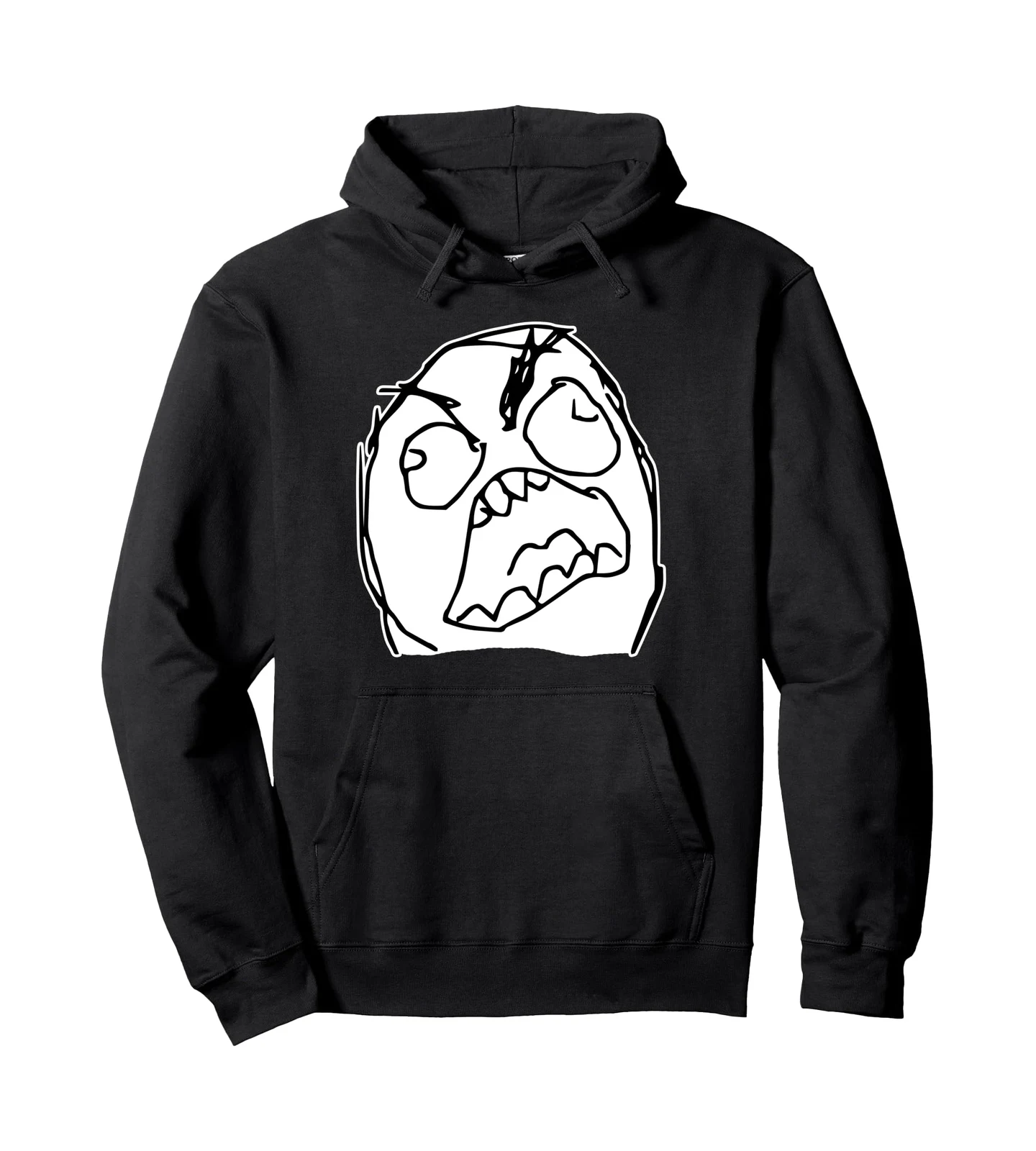
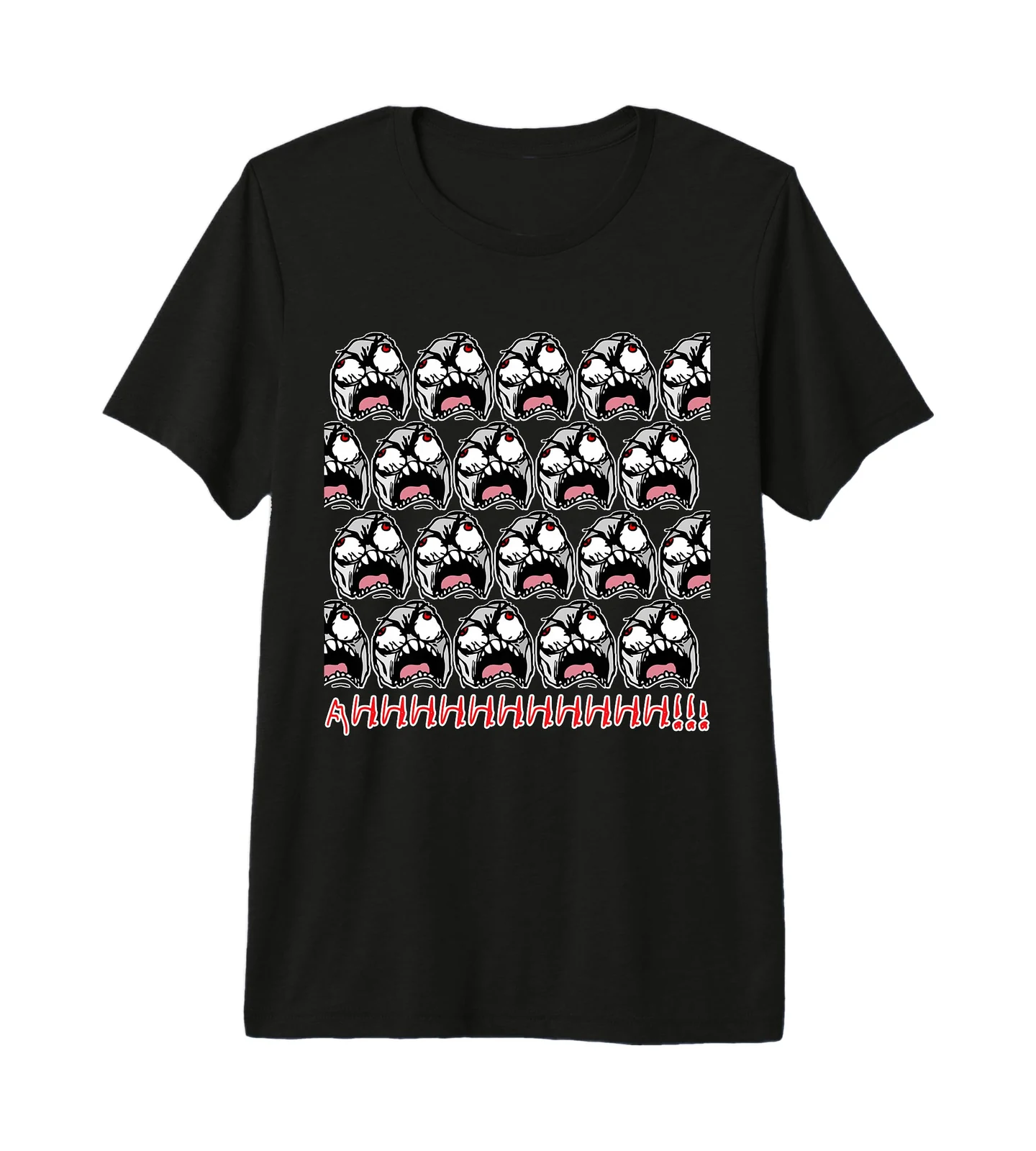
The original Rage Guy is one of the simplest characters in the entire format. His eyes bulge, his mouth opens into an enormous scream, and every feature communicates maximum frustration.
The FFFUUU text represents the beginning of an angry expletive stretched into a scream.
What made the character useful was the contrast between the reaction and the problem. Rage Comics often treated tiny inconveniences as though they represented the final collapse of civilization.
The FFFUUU Rage Face Meme design focuses directly on the character that gave the entire genre its name.
Reddit Helped Turn One Face Into a Culture
Rage Comics did not remain confined to 4chan.
In January 2009, Reddit created a community whose name was based on the extended FFFFFFFUUUUUUUU expression. It became widely known as f7u12.
Users submitted their own comics, reused established faces, and created new characters. As participation increased, the format evolved from one screaming Rage Guy into a large library of specialized reactions.
By the early 2010s, people no longer needed to explain what many of the faces meant. Regular meme users had learned the vocabulary.
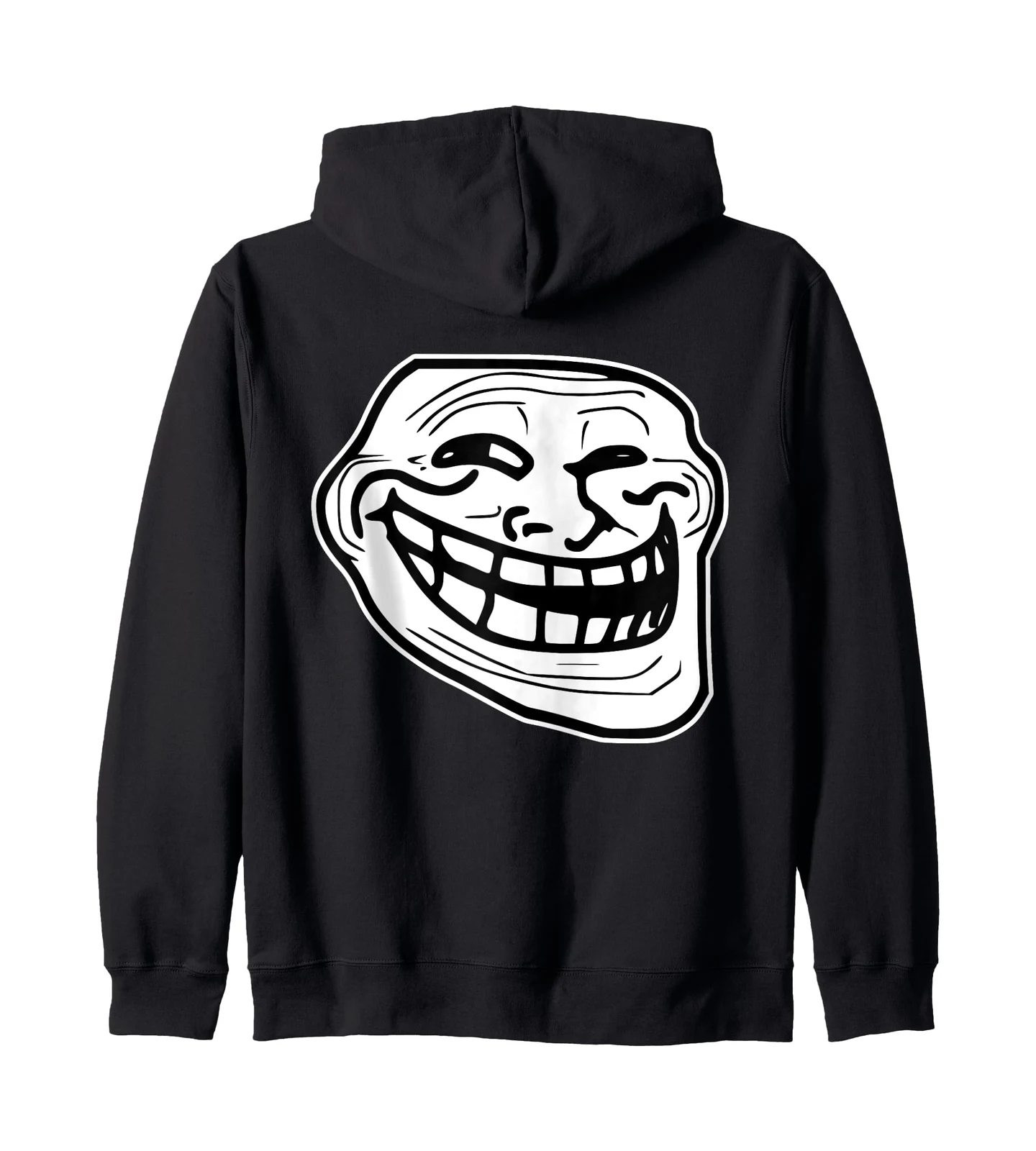
Trollface Gave Internet Trolling a Face
One of the most recognizable characters associated with Rage Comics actually began in a separate comic.
Artist Carlos Ramirez, known online as Whynne, created Trollface in 2008 for a comic about trolling on 4chan’s video-game board.
The enormous grin communicated deliberate provocation. Trollface was not angry about what happened. He caused the problem and was extremely pleased with the reaction.
As Rage Comics expanded, the character joined the broader collection and became one of its biggest stars.
The Amaze Archive history of Trollface explores how that MS Paint grin moved from a 2008 comic into forums, Reddit, reaction images, Trollge and later meme revivals.
Me Gusta Represented Weird Satisfaction
By 2010, the Rage Comic vocabulary had expanded far beyond anger.
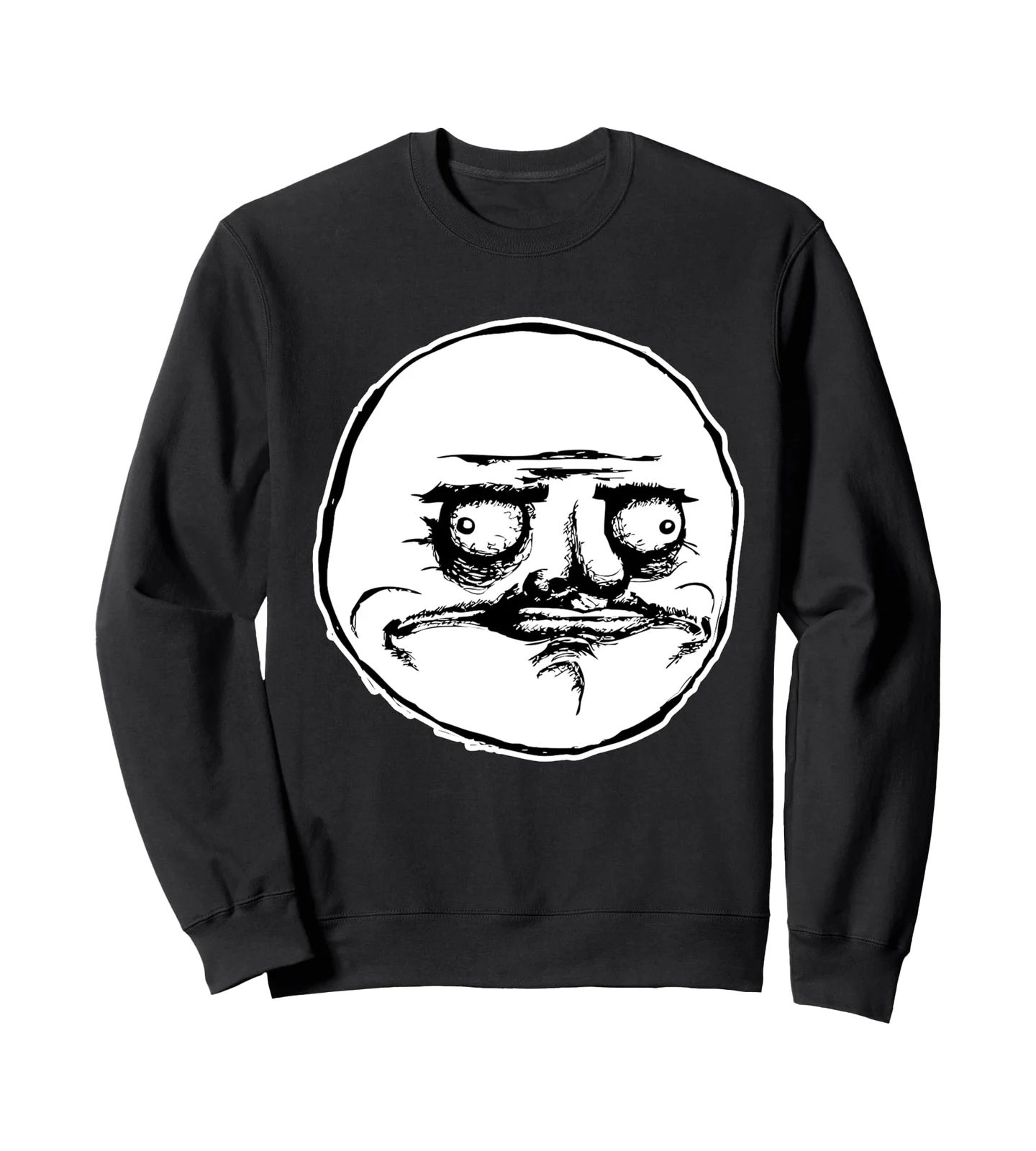
Me Gusta represented strange, awkward, or uncomfortable satisfaction. The Spanish phrase simply means “I like it,” but the wide-eyed expression gave that ordinary statement a much stranger personality.
Illustrator May Oswald created the face and deliberately demonstrated how it could be used in example comics before other users took over.
That origin makes Me Gusta particularly interesting because its creator understood the emerging logic of Rage Comics and intentionally designed a new reaction for the ecosystem.
You can read the full story in the Me Gusta meme origin article.
Y U NO Turned Frustration Into a Question
Another famous Rage Comic character arrived from a completely different source.
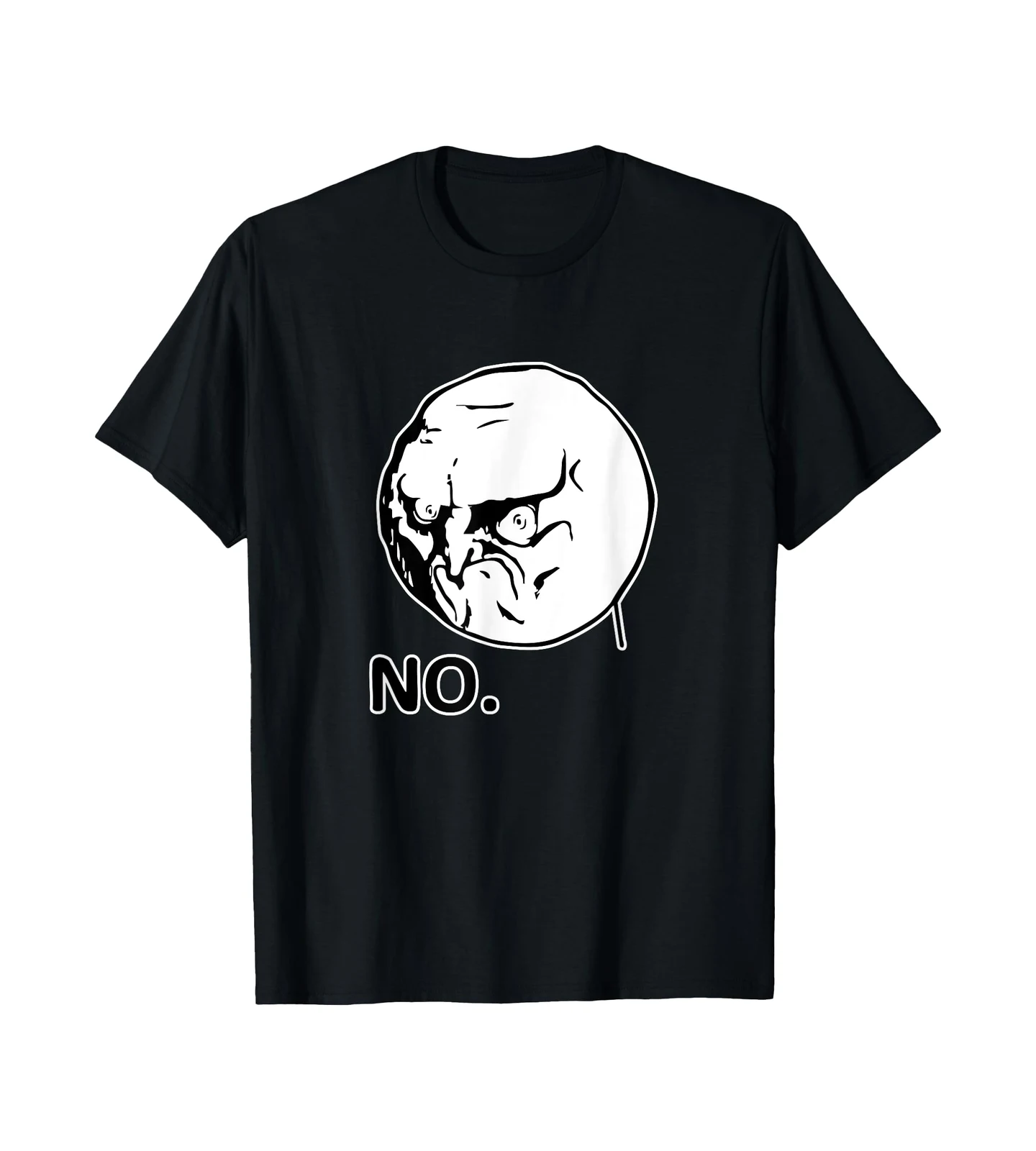
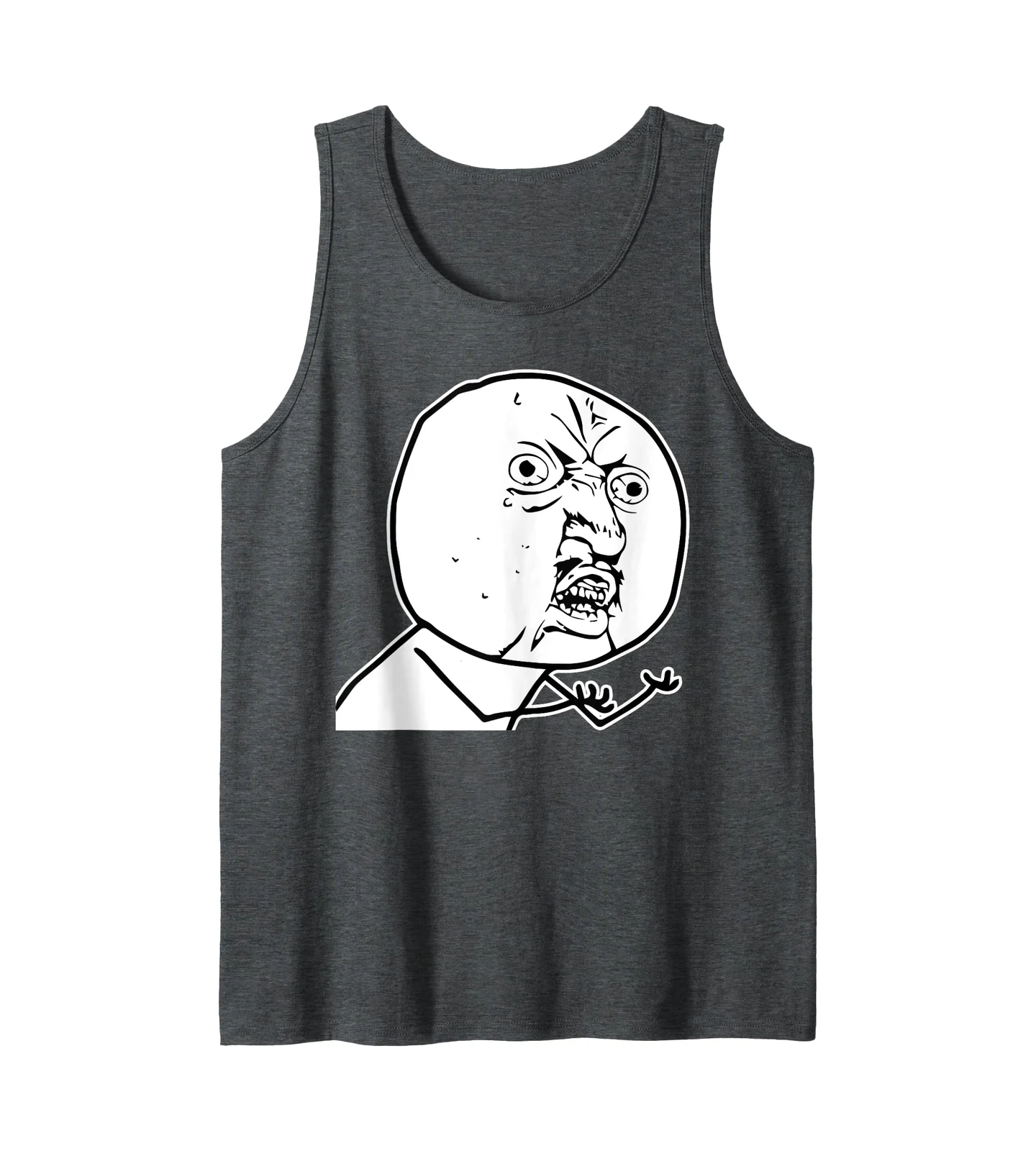
The face used for Y U NO Guy was traced from an expression in Hiroya Oku’s Japanese manga Gantz. Internet users transformed it into a stick-figure character with outstretched arms and paired it with deliberately broken complaints.
The formula was simple:
SUBJECT, Y U NO DO THING?
The grammar was terrible on purpose, and the character looked as though he desperately needed the universe to explain itself.
The AmazeShirt Why Face Meme design uses this familiar exasperated reaction.
Poker Face Represented the Opposite of Rage
Not every Rage Face exploded with emotion.
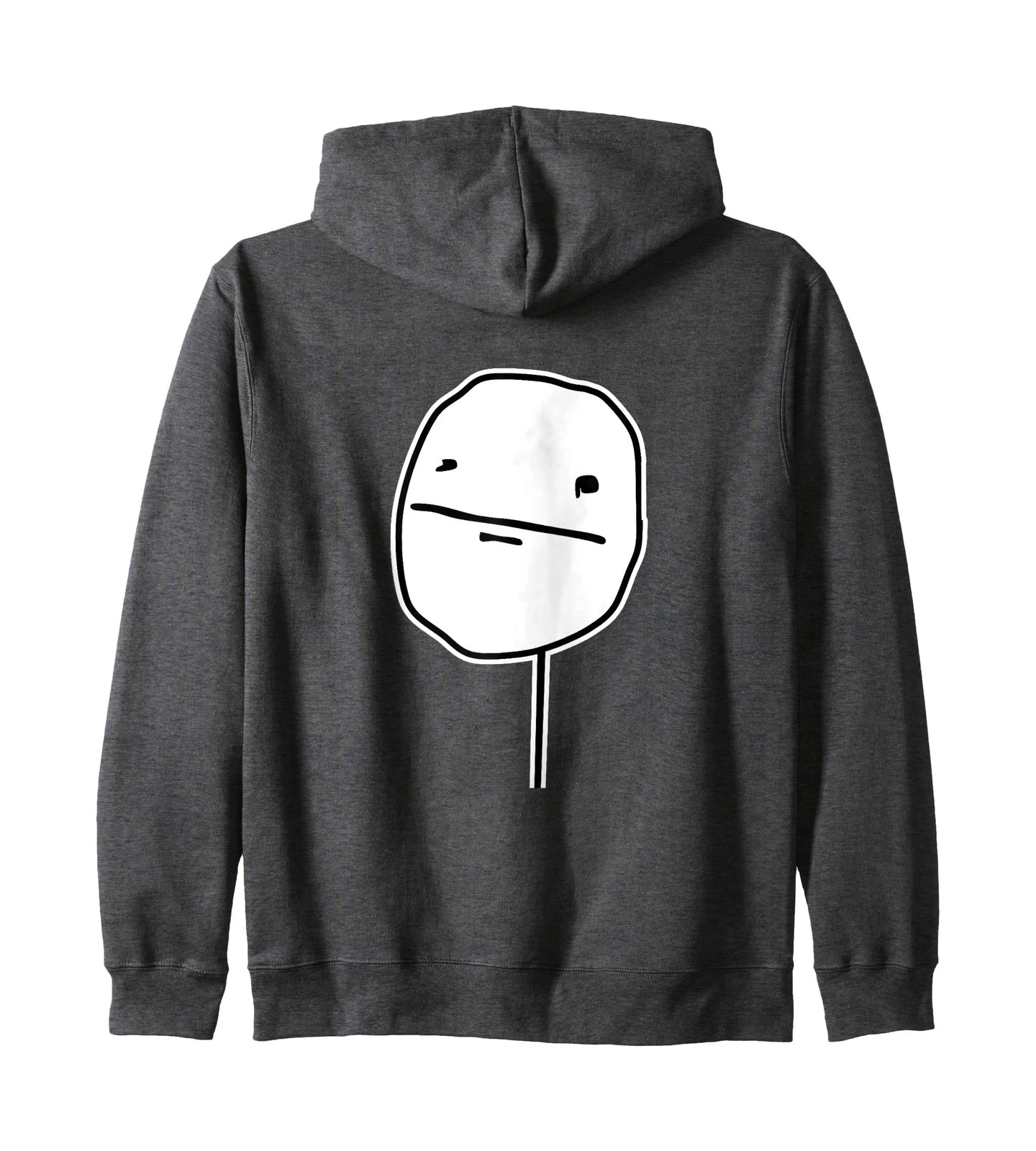
Poker Face became useful precisely because it revealed almost nothing. The simple eyes and straight mouth represented awkward neutrality: something uncomfortable just happened, and the character would prefer to pretend everything is normal.
That gave comic creators another important emotional tool.
Instead of screaming, smiling, crying, or trolling, the character simply froze.
The Poker Face Meme design preserves that deliberately blank expression.
The Faces Became a Shared Internet Vocabulary
This reusable vocabulary was the real innovation behind Rage Comics.
A comic creator did not need to draw subtle facial expressions. The audience already understood the characters.
Trollface meant somebody was trolling. Rage Guy meant unbearable frustration. Me Gusta represented weird satisfaction. Poker Face communicated awkward neutrality. Y U NO demanded an explanation.
Once that vocabulary existed, users could create stories extremely quickly.
That made Rage Comics participatory rather than simply consumable. The audience was also the creative community.
Meme Generators Made Creation Easy
Early Rage Comics could be assembled manually, but dedicated generators soon removed most of the technical effort.
Users selected panels, dragged familiar faces into place, added text, and published the result.
The drawings were already supposed to look crude, so professional artistic skill offered almost no advantage.
In fact, an awkwardly drawn comic could feel more authentic than a polished illustration.
That low barrier to entry helped produce an enormous quantity of Rage Comics across Reddit, imageboards, meme sites, forums, Tumblr, Facebook, and other communities.
Rage Comics Were Mostly About Ordinary Life
Despite their dramatic faces, the stories were often incredibly mundane.
Food falls on the floor. Someone cannot sleep. A computer crashes. A teacher assigns homework. A text message goes unanswered. Someone says something embarrassing.
Rage Comics took those tiny experiences and gave them absurdly intense reactions.
That relatability mattered. Readers saw situations they had experienced themselves, then recognized the exaggerated emotional response immediately.
The joke was rarely that life had become genuinely disastrous.
The joke was that something tiny sometimes feels disastrous.
Why Rage Comics Eventually Declined
Internet humor moves quickly. By the middle of the 2010s, Rage Comics no longer occupied the dominant position they had enjoyed a few years earlier.
Reaction GIFs, screenshots, Vine videos, increasingly sophisticated image macros, Twitter posts, short-form video, and countless newer formats changed how memes circulated.
The classic Rage Faces also became so heavily used that they started to represent an earlier generation of internet humor.
Eventually, using them could itself become ironic or nostalgic.
But disappearance and obsolescence are not the same thing.
Rage Faces Helped Build Modern Reaction Culture
The logic behind Rage Comics never really vanished.
Modern internet users still communicate by selecting recognizable images that express specific emotions. Reaction GIFs, stickers, emoji, screenshots, Wojaks, image macros, and short video clips all perform versions of the same job.
Rage Comics demonstrated how efficiently a community could build shared meaning around a small library of reusable expressions.
Once you knew the face, you knew the reaction.
That principle remains everywhere online.
Some Rage Faces Outlived Rage Comics
The larger format declined, but several characters escaped from it.
Trollface is perhaps the clearest example. The character continued evolving through new memes long after four-panel Rage Comics stopped dominating the web.
Me Gusta still appears as an instantly recognizable symbol of weird approval. Rage Guy remains understandable as an image of total frustration. Y U NO still evokes early internet grammar and exasperation.
Sometimes these characters appear sincerely. Sometimes they are used ironically because they look ancient by internet standards.
Either way, recognition keeps them alive.
Rage Comics as Internet Nostalgia
For people who spent time online around 2009–2012, Rage Faces can instantly recall a specific version of the web.
The internet felt more desktop-based. Reddit and 4chan had enormous influence over meme culture. Tumblr was thriving. Facebook meme pages were growing. Dedicated meme generators were everywhere.
Modern algorithmic feeds had not yet standardized how everyone discovered online humor.
Rage Comics belong to that period, which means seeing them today is often both a joke and a nostalgia trigger.
Explore the Rage Meme Designs
AmazeShirt’s Rage Meme Designs bring together several characters from that era, including Rage Guy, Me Gusta, Trollface, Poker Face, Why Face, and other recognizable reaction expressions.
Each face has its own story. Some came directly from anonymous webcomics. Others had identifiable creators. One came from Japanese manga. Several only became associated with Rage Comics after they had already appeared elsewhere.
That messy mixture is part of what makes the history interesting.
Why Rage Comics Still Matter
Rage Comics look primitive compared with modern memes, but that simplicity was one of their greatest strengths.
They turned crude drawings into characters, characters into reactions, and reactions into a shared language understood by millions of internet users.
The original FFFUUU comic started with one absurdly angry face on 4chan in 2008. Within a few years, an entire cast had developed around it.
Trollface trolled. Me Gusta enjoyed things a little too much. Poker Face tried desperately not to react. Y U NO demanded answers. Rage Guy screamed when everything went wrong.
The internet eventually moved on to newer formats.
But the idea at the heart of Rage Comics never disappeared:
sometimes one ridiculous face says more than an entire paragraph.