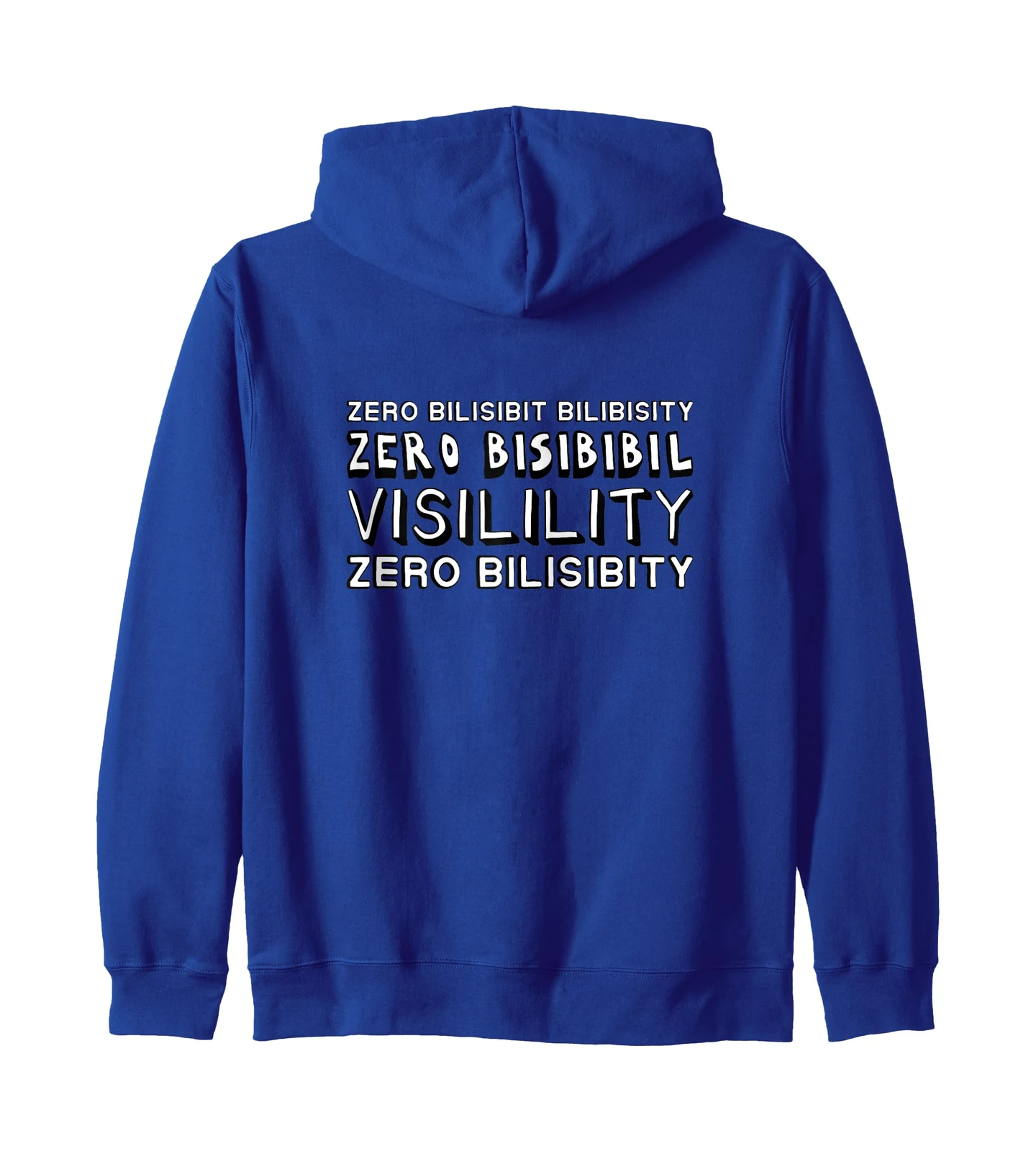
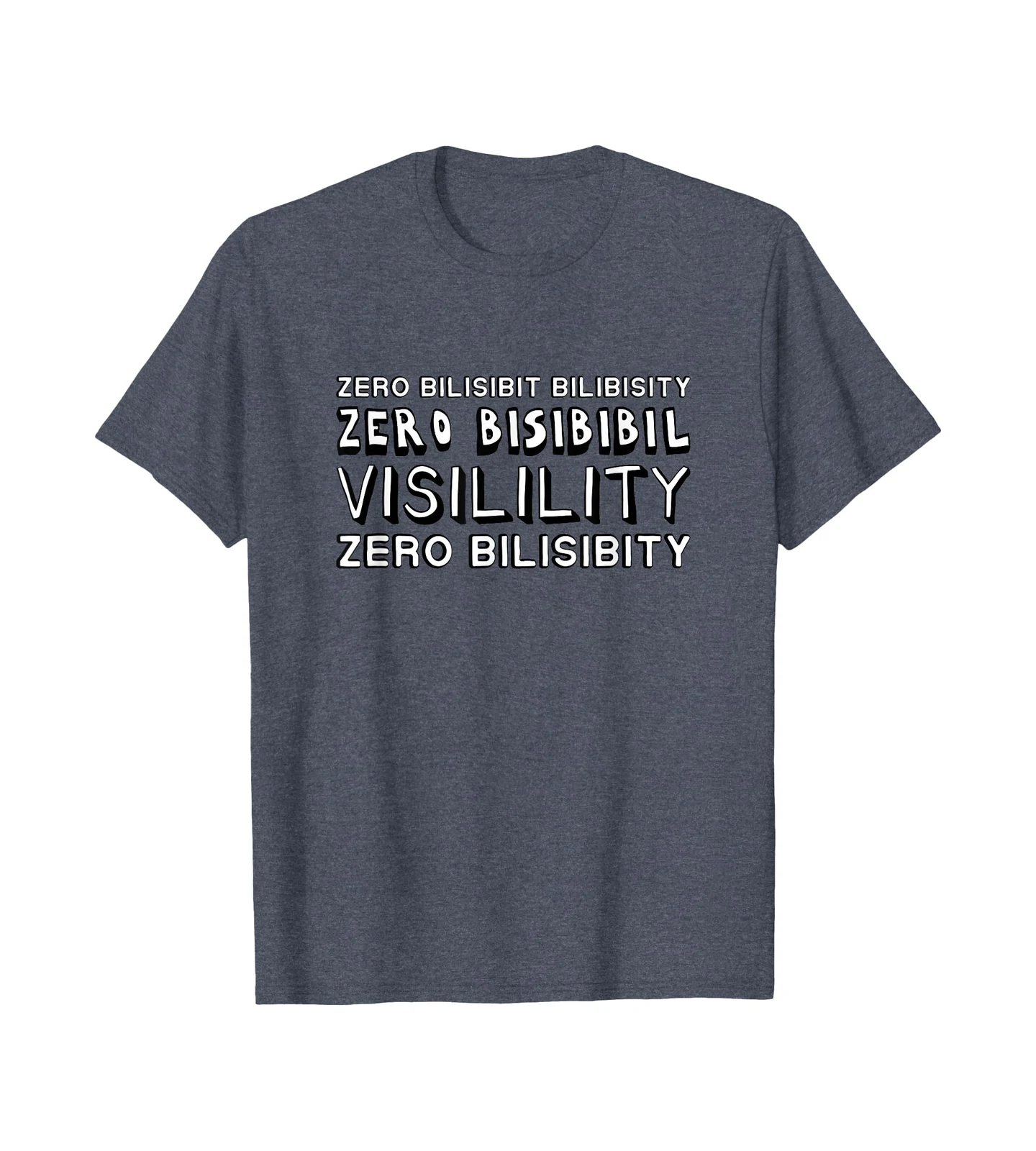
“Zero Bilibisity” is a viral audio meme built around one man attempting to describe weather conditions with a perfectly ordinary phrase: zero visibility.
Unfortunately, the word visibility refuses to cooperate. Instead, the speaker repeatedly tries to get through it, producing sounds that internet users hear as variations of “bilisity,” “bisibility,” and finally the wonderfully memorable “zero bilibisity.”
The visual footage itself matters far less than the sound. Over time, people reused the audio with fog, snow, mountains, bad weather, terrible views, and anything else where seeing what lies ahead becomes difficult.
That strange piece of viral pronunciation is the reference behind the Zero Bilibisity design.
What Is the Zero Bilibisity Meme?
The meme comes from a short video in which a man tries several times to say “zero visibility.” He clearly knows what he wants to say, yet each attempt becomes slightly more tangled.
Instead of correcting himself once and moving on, he keeps trying. Consequently, the repeated struggle becomes funnier than the original statement.
The version that stuck online sounds something like:
Zero bilisity. Zero bisibility. Zero bilibisity.
Eventually, the mistake became more recognizable than the phrase he was trying to pronounce.
The Audio Is More Important Than the Original Video
Unlike many video memes, Zero Bilibisity does not depend heavily on knowing who the speaker is or what happens next.
The joke lives in the audio.
As a result, users can place the sound over completely different footage. A snowy road works. Dense fog works. A mountain hidden behind clouds works. Even a terrible concert view or obstructed seat can become a Zero Bilibisity situation.
That flexibility helped the phrase survive after the original clip began separating from its source.
Where Did Zero Bilibisity Originally Come From?
This is where the history becomes less clear.
The original speaker, uploader, exact filming location, and first upload date are difficult to verify from the surviving reposts. The clip has circulated through short-form video platforms, repost accounts, compilations, and social media without a reliable chain leading back to one confirmed source.
Therefore, claims that confidently assign the original video to a particular person or country should be treated carefully unless the original upload can be produced.
What is clear is the meme itself: a man is describing extremely poor visibility and repeatedly struggles with the word visibility.
That audio became the part people remembered.
Is the Zero Bilibisity Audio Fake?
There is also no strong evidence that the clip uses a dubbed voice in the way some other pronunciation memes do.
For example, the famous “In the Beningin” clip associated with Jacob Zuma circulated with altered audio. Zero Bilibisity appears different because the entire meme centers on the speaker’s repeated attempts to pronounce one word within the audio itself.
However, that does not automatically prove the moment was completely spontaneous. A short viral clip rarely gives enough information to determine whether someone genuinely stumbled over a word, deliberately exaggerated the pronunciation, or recreated an earlier joke.
Without the original upload and context, the safest conclusion is simple: the audio is real as a circulating meme, while the circumstances behind its recording remain uncertain.
Why Mispronunciation Memes Spread So Well
The internet has always loved language that goes slightly wrong.
Sometimes the mistake comes from a translation. Other times, someone misreads a word, struggles with pronunciation, or accidentally invents something far more memorable than the correct expression.
Most importantly, the new version needs to sound funny enough to repeat.
“Zero visibility” is useful information.
“Zero bilibisity” is something people want to say every time fog appears.
The Phrase Became Internet Vocabulary
At some point, a successful meme stops requiring the original clip.
Zero Bilibisity has reached that stage. People now use the phrase as a caption by itself, especially when weather or a blocked view makes visibility poor.
Recent social posts even use the wording without explaining the reference. That only works because enough viewers already recognize the joke.
In other words, “bilibisity” has become a fake word with a surprisingly clear definition.
It means visibility.
Just considerably harder to pronounce.
Why the Repetition Makes the Clip Better
One failed attempt might have been mildly funny. Instead, the speaker keeps approaching the word from different directions.
Each version sounds as though success is getting closer. Then another syllable goes wrong.
That creates a natural comedic rhythm without anyone needing to add a punchline.
The viewer knows the destination. The speaker knows the destination. Yet somehow, visibility remains just out of reach.
The Zero Bilibisity Shirt
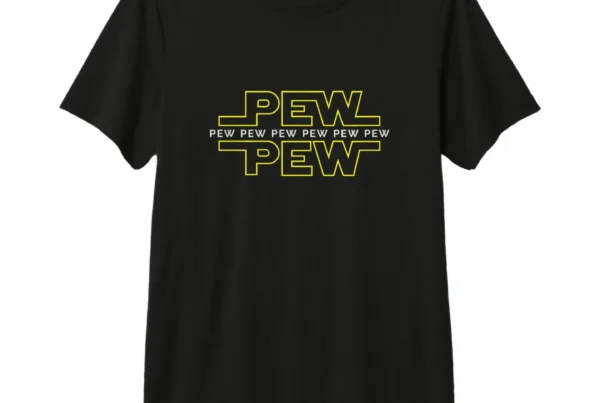
The Zero Bilibisity shirt takes the version that survived online and turns it into the entire joke.
No weather footage is necessary. People who know the audio can hear the failed pronunciation as soon as they read the words.
Meanwhile, someone unfamiliar with the reference gets a phrase that looks almost correct until they try to read it aloud.
The design fits naturally among AmazeShirt’s Viral Meme Designs, especially those built around strange pieces of audio and language that escape their original context.
Zero Visibility Became Zero Bilibisity
The original sentence was supposed to communicate a simple fact: you cannot see very much.
Instead, one difficult word created the thing people remembered.
Now the phrase works anywhere the view disappears behind fog, snow, clouds, or some other obstacle.
Technically, the correct expression remains zero visibility.
But when conditions become truly terrible?
Zero bilibisity.