If you have ever seen someone write “in the beningin,” “in the beninging,” or suddenly yell “listen properly!”, there is a good chance they are referencing one of the internet’s strangest pronunciation memes.
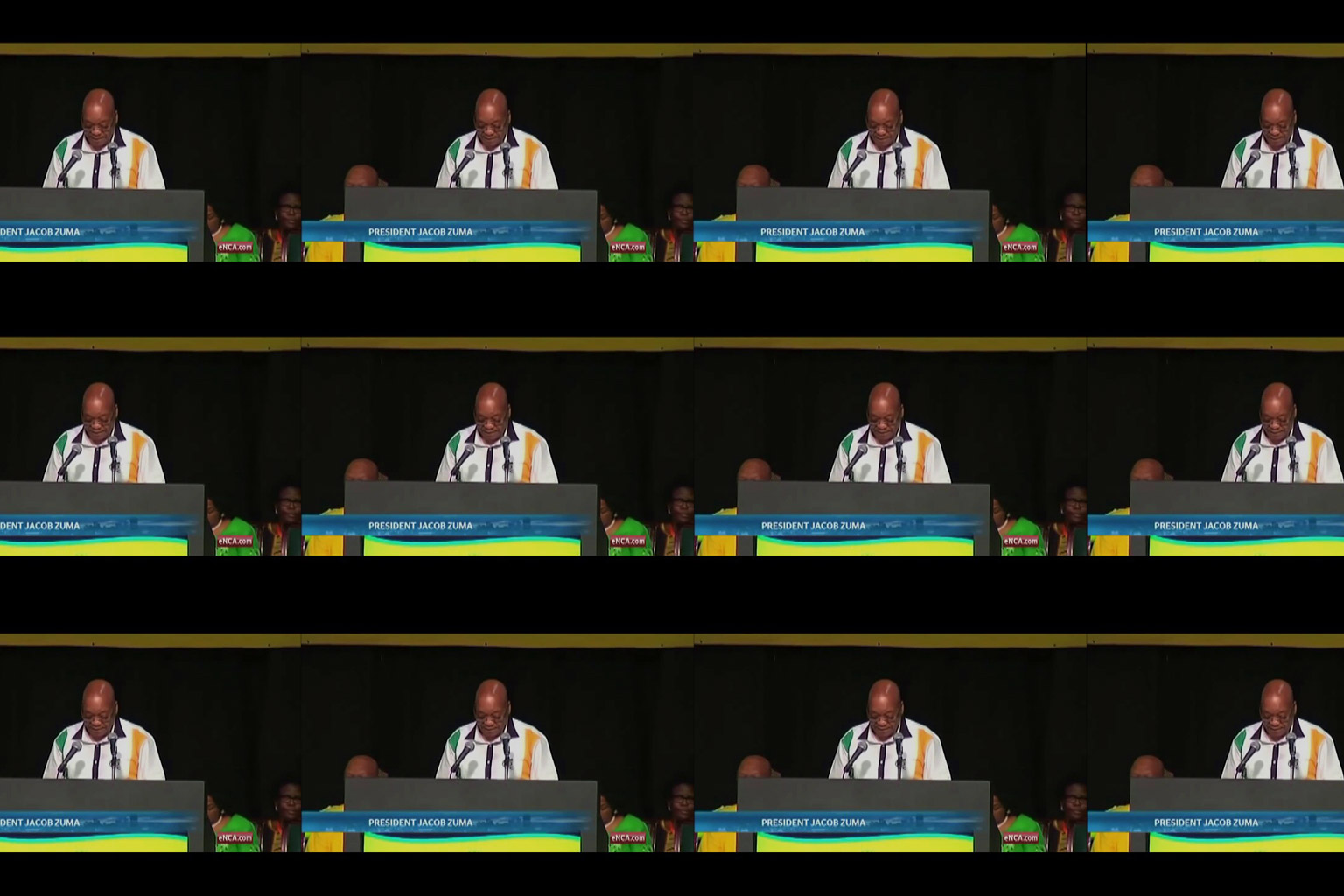
So, what does “in the beningin” mean? The phrase comes from the viral “In the Beninging” meme, a doctored video featuring former South African president Jacob Zuma. In the clip, a dubbed voice makes it appear as though Zuma is repeatedly trying — and spectacularly failing — to say “in the beginning.”
The increasingly broken attempts at the phrase, combined with lines such as “yeah,” “listen properly,” and another attempt at “in the beninging,” turned a short edited video into a meme that has survived through reposts, remixes, reaction videos, and meme designs.
There is one important detail, though: the famous pronunciation is not actually Jacob Zuma’s real voice struggling with the phrase. The viral clip was dubbed.
What Does “In the Beningin” Mean?
At its simplest, “in the beningin” is a deliberately mangled version of “in the beginning.” But unlike a normal internet typo, the phrase has a specific meme behind it.
The joke comes from a viral video that appears to show Jacob Zuma repeatedly attempting to say “in the beginning.” Each attempt seems to get further from the actual phrase:
“In the… beninging…”
Then another attempt. Then another. Then the memorable instruction:
“Listen properly!”
Followed, naturally, by yet another mangled version of “in the beginning.”
That escalating repetition is the heart of the In the Beninging meme. People who recognize the reference do not simply see a misspelled phrase; they can practically hear the rhythm of the original meme in their heads.
Is It a Typo, a Meme, or Both?
“In the beningin” can certainly look like a typo if you have never seen the video, but in meme culture it is usually an intentional reference.
You may encounter several spellings online, including:
In the Beningin
In the Beninging
In the Beniging
In the Beningging
There is no particularly important “correct” misspelling. The entire joke revolves around the speaker apparently being unable to arrive at the correct pronunciation of “in the beginning.”
The meme itself is most commonly known as “In the Beninging,” while variations such as “In the Beningin” reproduce different parts or interpretations of the chaotic pronunciation.
Where Did the “In the Beninging” Meme Come From?
The In the Beninging meme became popular from a 2017 video featuring footage of Jacob Zuma, who was president of South Africa at the time. The viral edit makes it appear that Zuma is attempting to read or say the phrase “in the beginning” but simply cannot pronounce it correctly.
However, the audio is not authentic. The video was doctored with a voiceover, with another person dubbing over footage of Zuma. The editing and synchronization make it look convincing enough that many people who encounter the meme assume they are listening to Zuma’s actual speech.
That misunderstanding has followed the meme for years, with reposts frequently presenting the clip without explaining that it is an edit.
A comparison between the viral version and the original footage also circulated shortly after the meme appeared, demonstrating that the famous “beninging” voice was added to the video.
So while the footage of Jacob Zuma is real, the legendary struggle to say “in the beginning” is part of the parody.
Why Does the “In the Beninging” Meme Sound So Funny?
A major part of the joke is repetition. The speaker gets close enough to “in the beginning” that you immediately understand what he is supposedly trying to say, but every new attempt somehow produces another variation.
Instead of correcting the mistake, the clip keeps escalating it.
In the…
In-di…
In the beninging…
Yeah!
And then, after apparently blaming the listener:
“Listen properly!”
The confidence of the delivery makes the mistake even funnier. The problem supposedly is not that the speaker cannot say the phrase — apparently everyone else just needs to listen better.
Then he immediately mispronounces it again. That combination of repetition, timing, frustration, and confidence is why such a simple edited clip became so memorable.
What Does “Listen Properly” Have to Do With the Meme?
“Listen properly” is one of the most recognizable parts of the In the Beninging meme. During the increasingly unsuccessful attempts to say “in the beginning,” the dubbed speaker suddenly tells the listener to “listen properly.”
The line works as a second punchline because the audience already understands the phrase perfectly. The supposed listener is not the problem. Naturally, this is followed by another unsuccessful attempt.
Because of that sequence, “listen properly” and “in the beninging” became closely associated with each other, and meme versions often include both phrases.
For people familiar with the original clip, seeing “LISTEN PROPERLY” surrounded by broken fragments of “in the beginning” is usually enough to identify the reference immediately.
Why It Lands as a Joke
The In the Beninging meme is an example of a type of internet humor that gets funnier through escalation. The first mistake is funny. The second makes the first one funnier. By the fifth attempt, the phrase has almost stopped sounding like English at all.
It also has an extremely recognizable rhythm. Fans frequently quote more than just the words “in the beninging.” They imitate the pauses, restarts, fragments, “yeah!” and “listen properly” that make up the entire exchange.
That is why writing only the grammatically correct phrase “in the beginning” loses almost everything that makes the meme funny. The broken pronunciation is the joke.
How People Use It Online
Since appearing online, the In the Beninging meme has been reposted, remixed and referenced across social media.
Some posts simply reuse the original video. Others turn the audio into music remixes, animations, edits or reaction memes. People also type variations of “in the beningin” in comments when someone says “in the beginning,” effectively completing the reference without needing to post the video at all.
It has become the kind of meme where a completely normal phrase can trigger the joke.
Someone says:
“In the beginning…”
And somebody who has spent enough time on the internet immediately hears:
“IN-DI… IN-DI-BE-NIN…”
At that point, the damage is done.
The Difference Between “Beningin” and “Beginning”
If you are actually writing the English phrase, the correct spelling is:
In the beginning.
It means at the start or earliest stage of something.
In the beningin or in the beninging, on the other hand, is meme language. The misspelling is intentional because it attempts to represent the increasingly chaotic pronunciation heard in the dubbed viral video.
That also explains why different versions of the meme use different spellings. There is no single clean transcription of a joke whose entire purpose is that the speaker cannot seem to pronounce the word correctly.
Is the Jacob Zuma “In the Beninging” Video Real?
This is probably the biggest misconception surrounding the meme. The footage is real. The famous audio is not.
The viral video uses footage of Jacob Zuma but replaces the original audio with a comedic voiceover that makes it appear he is struggling to say “in the beginning.” That distinction matters because the meme is sometimes reposted as though it captured a genuine speech mistake.
It did not.
The humor comes from the edit and the performance of the person dubbing the clip, along with how effectively the altered audio fits the footage.
In other words, Jacob Zuma appears in the meme, but the legendary “in the beninging” pronunciation itself belongs to the parody.
Why It Works on a T-Shirt
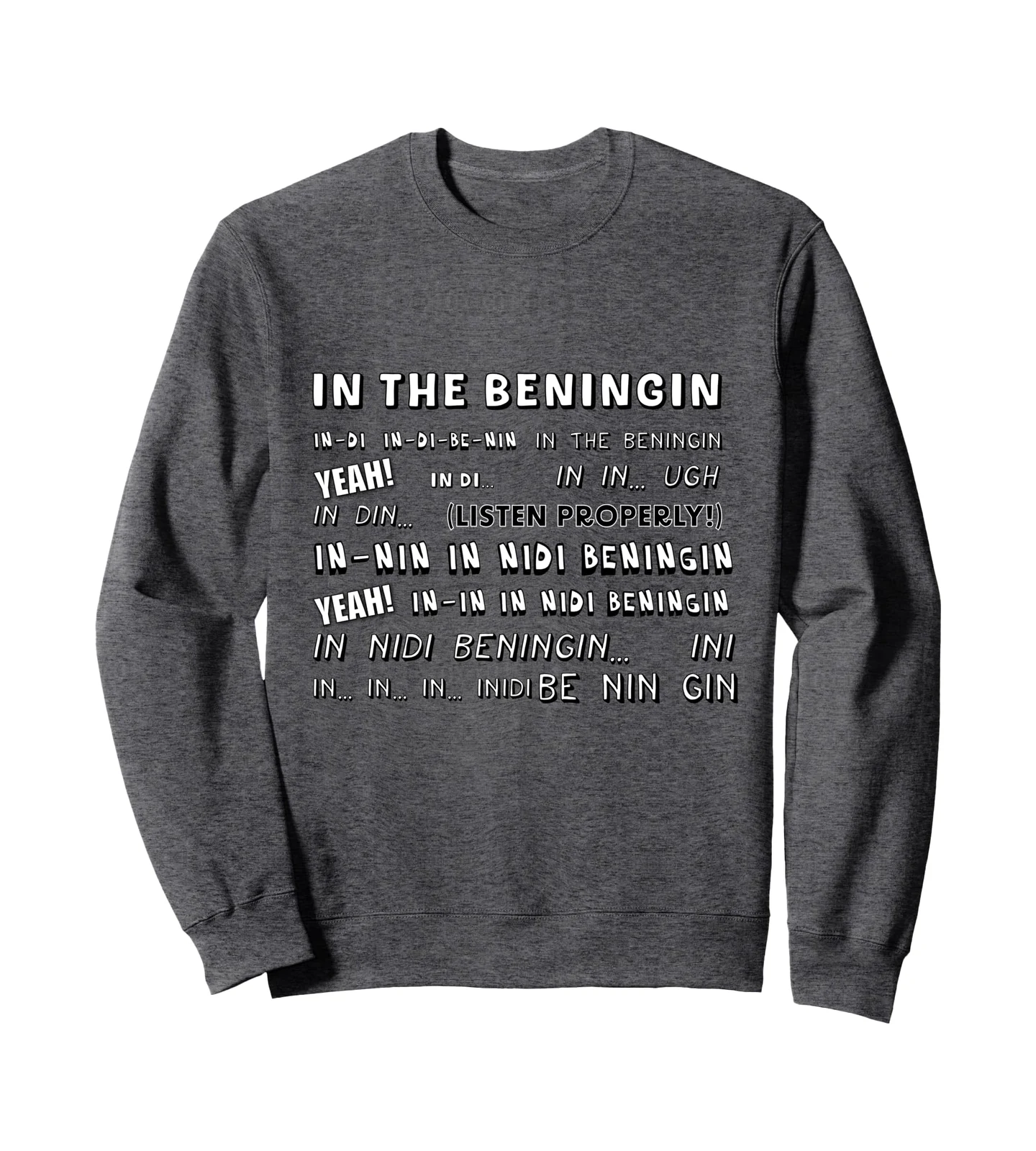
The In the Beninging meme translates unusually well into a graphic design because so much of the joke can be represented through typography. Instead of showing only the final phrase, a design can recreate the entire struggle:
IN-DI…
IN-DI-BE-NIN…
IN NIDI BENINGIN…
LISTEN PROPERLY!
For anyone who remembers the clip, those fragments immediately reproduce the timing and chaos of the original meme.
That is the idea behind the In the Beningin meme shirt: turning the increasingly broken attempts to say one simple phrase into a visual representation of the viral video.
To somebody unfamiliar with the meme, it may look like complete nonsense. To somebody who knows it, they can probably hear the entire video just by reading the design.
And that is exactly the point.
Should You Use the Phrase?
If you are trying to write proper English, definitely stick with “in the beginning.” If you are deliberately referencing the meme, however, “in the beningin” or “in the beninging” is the joke.
Today the phrase functions as a small recognition signal between people familiar with the viral video. It references not just a misspelled word, but an entire sequence of failed attempts, pauses, corrections and the unforgettable demand to “listen properly.”
Just remember the part that often gets lost when the clip is reposted: Jacob Zuma did not really deliver the bizarre “in the beninging” speech heard in the meme.
The video is dubbed. The confusion is fake.
The meme, however, is very real.